Creating the future together
together
With your donation, you will enable:
– School places at better schools
– School supplies, uniforms, and meals
– Mentoring and emotional support
Help us
create opportunities!
Our goal is to be able to finance the children until they graduate. Standing orders therefore help us to have more certainty in our planning.
Are you hibernating and
want to give something back?
Education for Children in Cape Town
How it began:
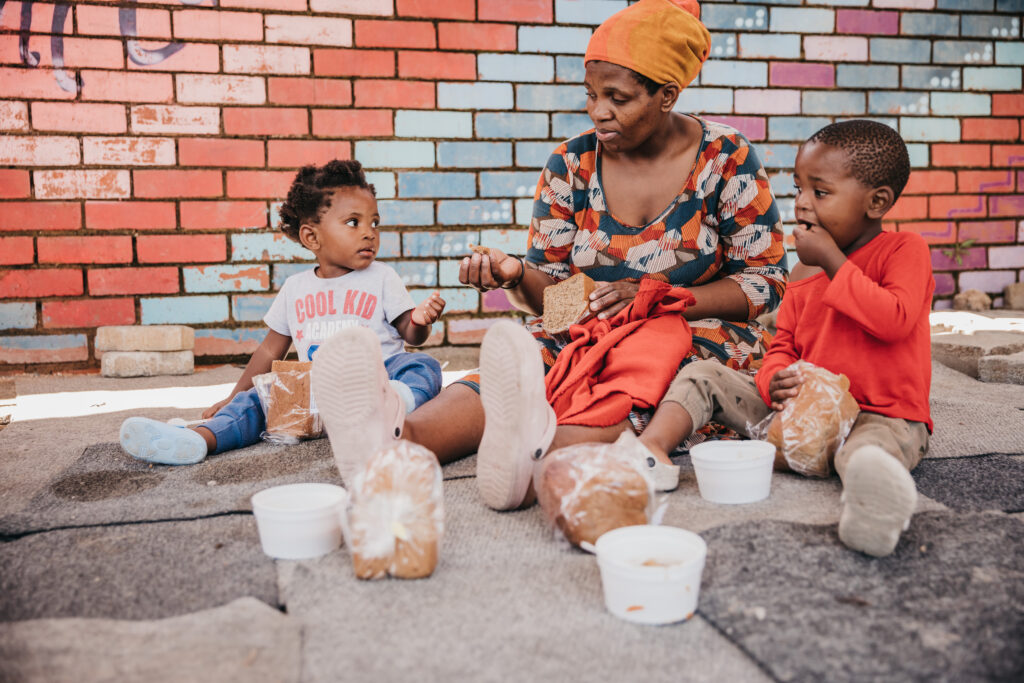
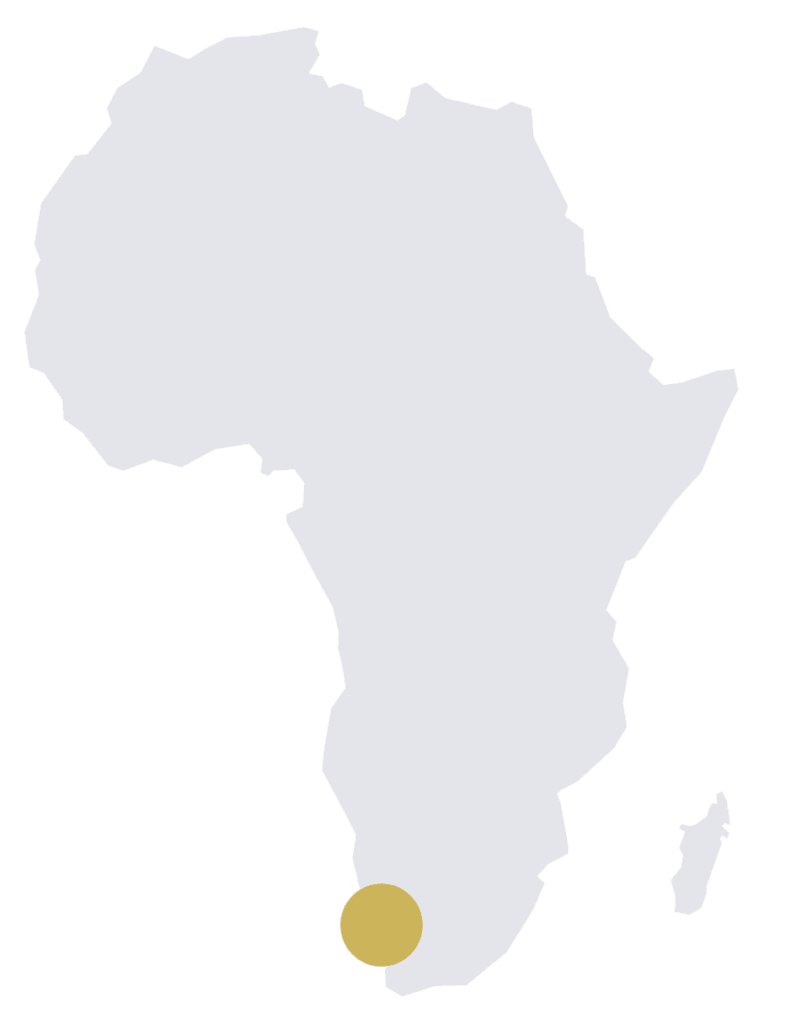
In 2002, during her first year of an eight-year stay in Cape Town, Marlies visited The Ark homeless shelter. She learned that around 1,000 people lived there, including around 350 children. These children were taught voluntarily by homeless people at the shelter. There were hardly any teaching and learning materials, hardly any chairs, and no visual aids whatsoever. As a former teacher, she knew immediately that help was needed here. She wrote to friends and relatives in Germany and collected money. Within a few years, the school had received enough support and strength to be recognized by the Education Department as a private school. Since the school only taught up to grade 9, but in South Africa a school leaving certificate can only be obtained after grade 12, support was provided for gifted young people to attend high school.
In 2007, the association “KIDS – Education for Poor Children in Cape Town” was founded in Germany.
Where we stand today:
In Germany, Marlies and Gregor work for the association on a voluntary basis. Their aim is to raise funds to enable as many children as possible in Cape Town to receive a good education.
The association incurs very low administrative costs, as it does not maintain an office or pay any employees.
In Cape Town, volunteers help out and are available to provide the kids with advice and support. Since the students have little or no support with their studies at home, the mentors are very important.
In 2025, the association supported 35 young people.
In addition, we help five schools by providing teaching and learning materials.
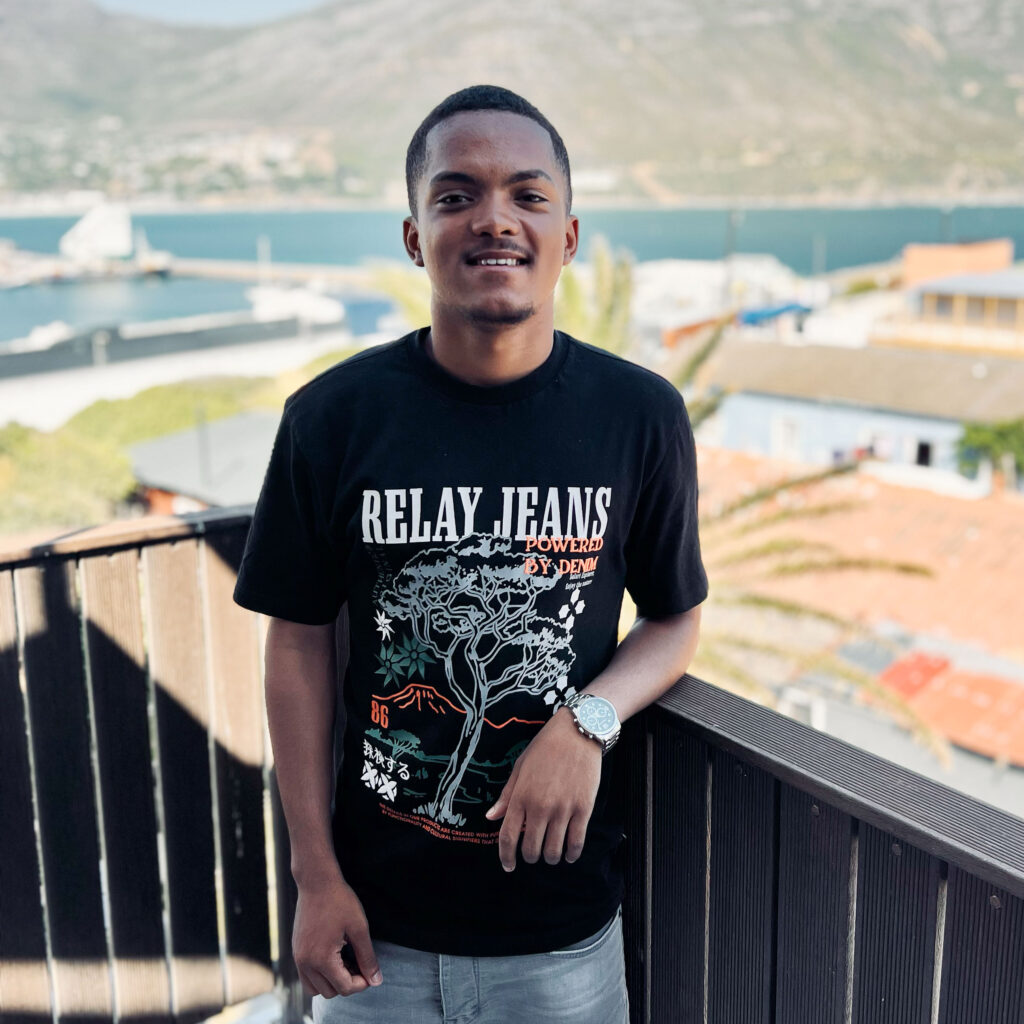
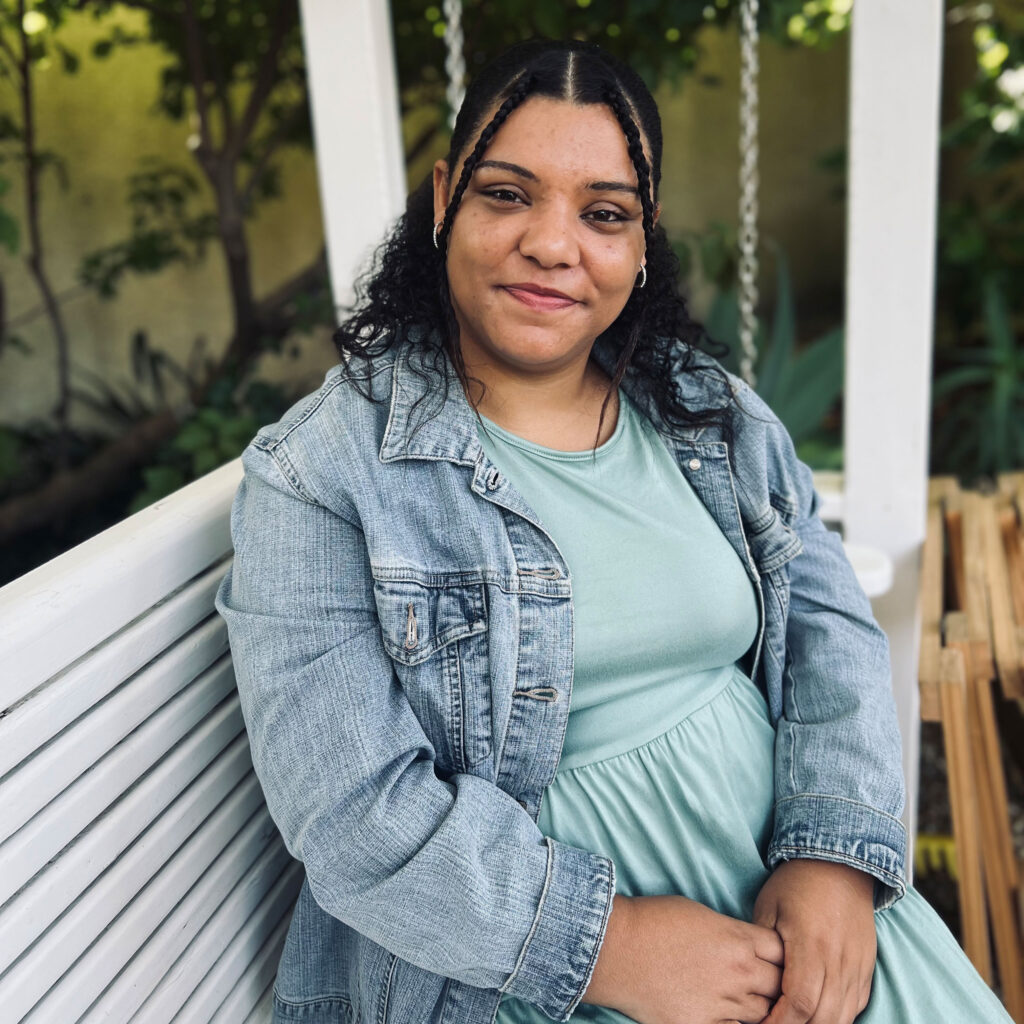
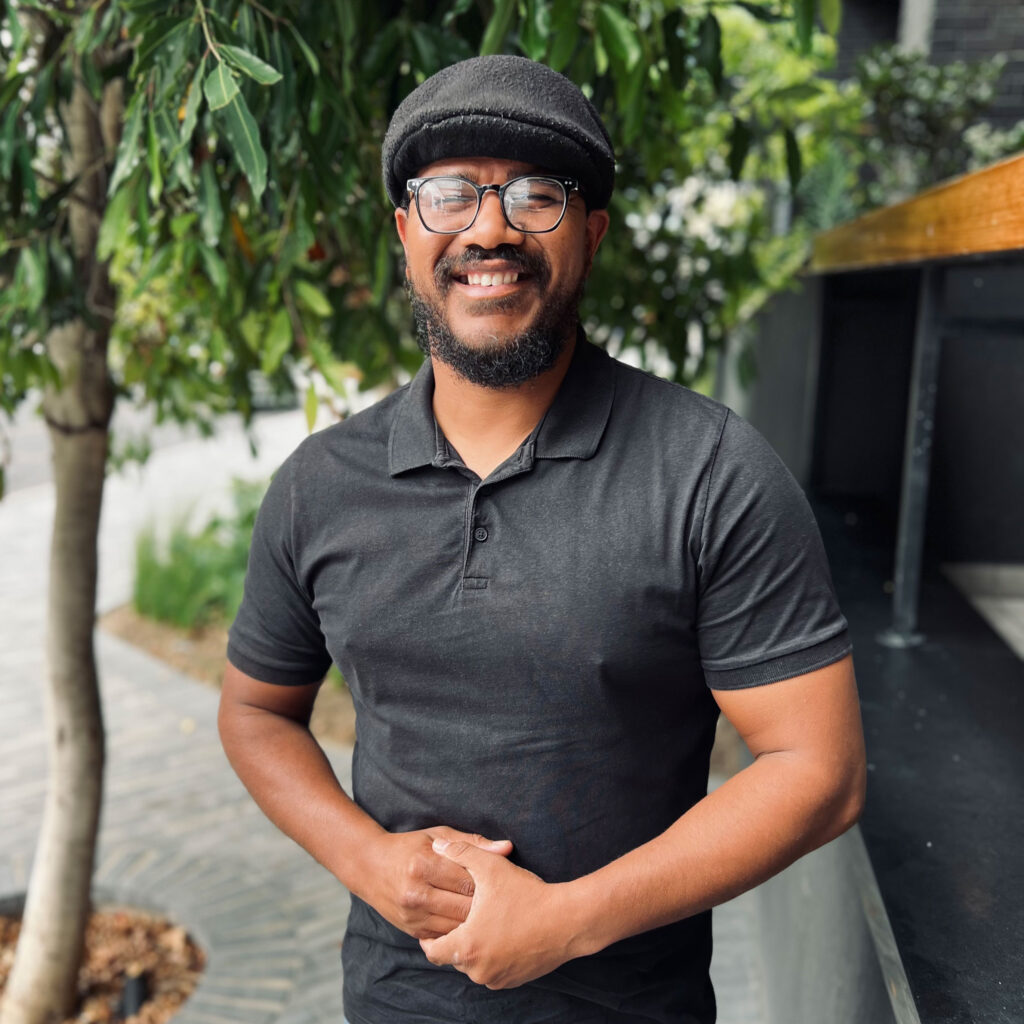
We have been able to help many young people escape poverty through education. (See the reports on Caleb and Tamia for examples.) Time and again, we are told that it would not have been possible to escape poverty without the support of German donors. Children, teenagers, young adults, and their parents express their gratitude to us and to all donors.
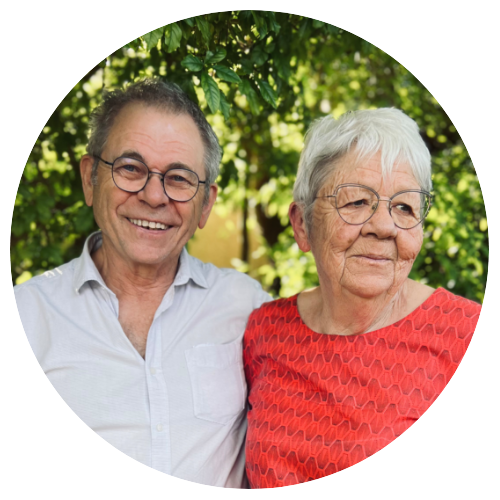
Marlies & Gregor
Founder
Success stories thanks to your donations
News
Newsletter from April 2026
Dear friends of the kids,
I hope you are all doing well and send you warm “spring greetings.”
The first quarter of the year has come to an end, and in Cape Town the autumn holidays have just finished. Many of the students we support are now in higher grades, some in their final year before graduation. This phase of schooling is always very demanding for the kids.
Here is once again an explanation of the school system in South Africa:
Primary School (comparable to elementary school) runs from Grade 1 to Grade 7.
Many of these schools are tuition-free, but all materials as well as the school uniform (which is compulsory) must be paid for by the parents. The lists of required materials are extensive; they cost about €100 at the beginning of the school year, and additional expenses arise throughout the year. Classes often have 50 or more students, and teachers usually teach in the same class from 8:00 a.m. to 2:00 p.m. There are no free periods. Since the government decided in 2024 to reduce teacher allocations (cost-saving measures), many teachers are completely overwhelmed. At Sentinel Primary School, the principal has managed to bring in two retired teachers for support. They receive the equivalent of about €400 per month for full-time work.
From Grade 8 onward, children attend High School. There are public schools and state-recognized private high schools. Among public schools, the differences in costs are significant. Tuition fees range roughly from €100 to over €2,500 per year, while private schools can cost up to €5,000 per school year. On top of this come expenses for transportation, supplies, and uniforms.
The funds collected through fees allow schools to purchase additional materials and hire extra teachers. In poorer areas, fees are lower, but the schools’ equipment and staffing are correspondingly inadequate.
The quality of schools varies greatly: class sizes range from 25 to 55 students; teacher allocation differs; teaching materials range from nonexistent to very well equipped. Private schools offer extracurricular activities, employ social workers, and provide additional support classes.
The reduction in teaching positions leads to various problems. For example, two of our students had to change a subject from Grade 11 onward because there was no longer a teacher available for their chosen subject. They now have to independently catch up on the Grade 10 curriculum in history. In tests, exams, and final assessments, they must achieve the same results as students who have studied the subject since Grade 10.
All students attend school until Grade 12, as this is the only way to obtain a school-leaving certificate: the matric. At the end of the 12th year, all students in South Africa take the same exams on the same day in their chosen subjects. This means that students from private schools receive the same exam questions as those from public schools. The exams are set by an independent commission.
We enable the children we support to attend a high school with moderate tuition fees (about €800 to €1,000 per year). The results of the matric exams confirm that this is the right path: despite disadvantages due to family circumstances and an environment far removed from educational opportunities, “our” young people mostly graduate with good to very good results.
I hope this explanation has not bored you. It is difficult for us to fully understand this school system. The term “equal opportunity” hardly seems appropriate here.
With warm regards to all of you, and wishing you positive thoughts in what we hope will be a brighter time ahead.
Marlies
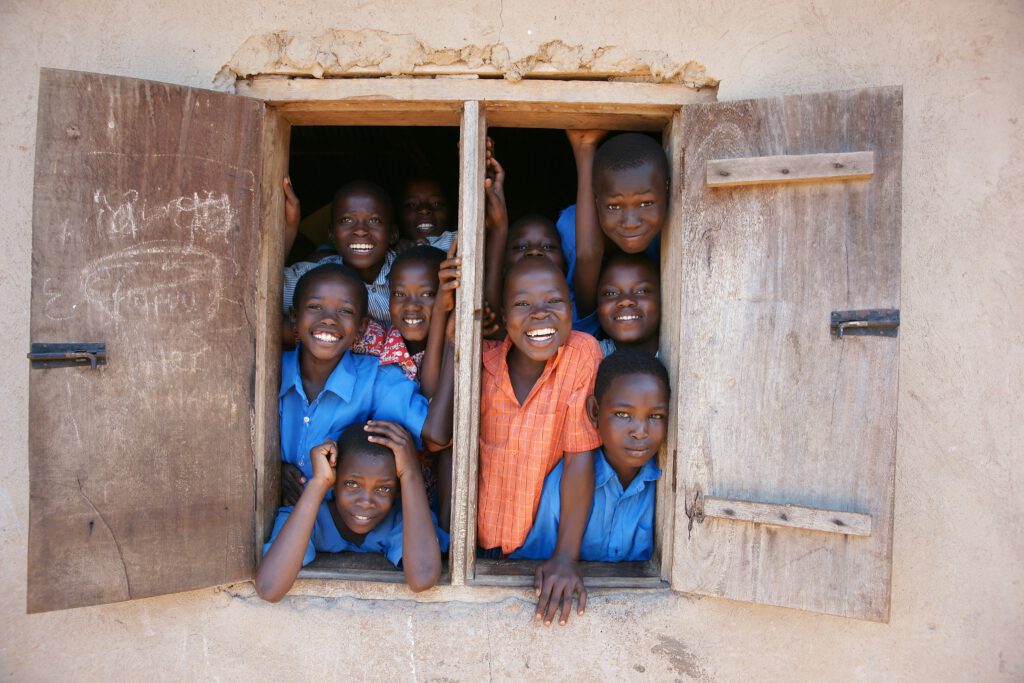
Shaping the future together
• Teacher shortage: many are leaving for better-paid jobs.
• Poverty: rising living costs make everyday life almost impossible for many families.
Without external help, education remains an unattainable dream for many children. Together, we can break this cycle of poverty. Together, we can break this cycle of poverty.
„
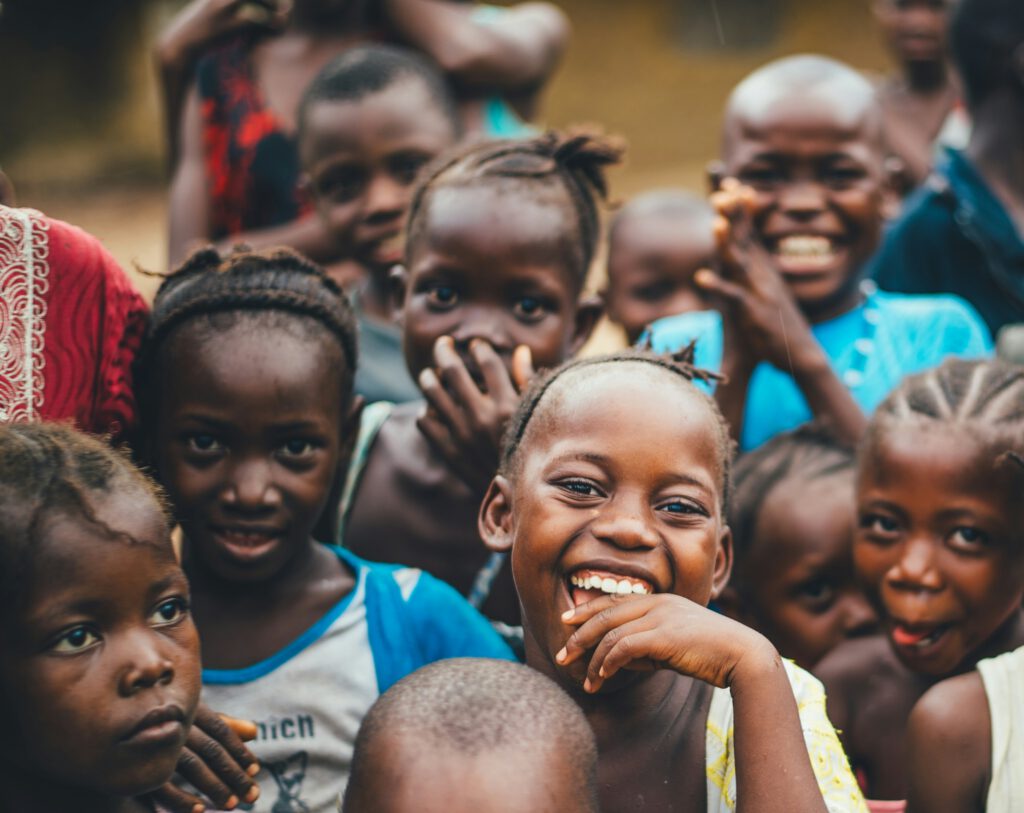
No child in Africa, or anywhere else in the world for that matter, should be denied an education.
Nelson Mandela
Our mission:
Support beyond school
We place great importance on providing long-term support to children, teenagers, and young adults throughout their school years and beyond.
- High schools: High-achieving students are enrolled in better schools. These schools charge tuition fees, transportation costs must be paid by the students themselves, school uniforms are mandatory, and books and stationery must be purchased according to specific requirements. The association covers these costs for the students it supports.
- Universities and colleges: After school, we support students with tuition fees and scholarships so that they can study under appropriate conditions.
Help quickly and easily – donate now
Our goal is to be able to finance the children until they graduate. Standing orders therefore help us to have more certainty in our planning. We are happy to provide you with donation receipts, which are always issued at the beginning of the following year.
KIDS – Bildung für arme Kinder in Kapstadt e.V.
IBAN: DE34 5519 0000 0707 4200 14
Supporting us has never been easier! With just a few clicks, you can donate via our PayPal account and help children in Cape Town gain access to education and a better future.
Every cent donated goes to the children. Whether you make a one-time donation or set up a standing order, your support gives young people in Cape Town the chance to escape poverty and shape their own future.
Every donation counts and goes directly to where it is most urgently needed.
Contact
Do you have any questions or would you like to learn more about our work?
Write to us—we look forward to hearing from you.
info(@)kids-of-the-ark.org
KIDS – Bildung für arme Kinder in Kapstadt e.V.
Gemeinsam geben wir Kindern eine Zukunft.